Apple's Siri Set for Major Transformation Through Groundbreaking Google Gemini Partnership
In a potentially game-changing development for the voice assistant landscape, Apple is reportedly finalizing an agreement to integrate Google's Gemini AI into its Siri voice assistant platform. This unprecedented collaboration between two of tech's biggest rivals represents a strategic shift in Apple's artificial intelligence approach, potentially combining Google's cutting-edge AI capabilities with Apple's hardware and software ecosystem. The integration, which could launch as early as 2026, aims to finally bridge the significant gap between Siri and increasingly sophisticated competitors like Open Ai's ChatGPT and Amazon's Alexa. While Apple continues development of its proprietary AI models, this partnership with Google could dramatically accelerate Siri's evolution into a more conversational, context-aware digital assistant capable of handling complex queries and multimodal interactions .
Partnership Details and Background
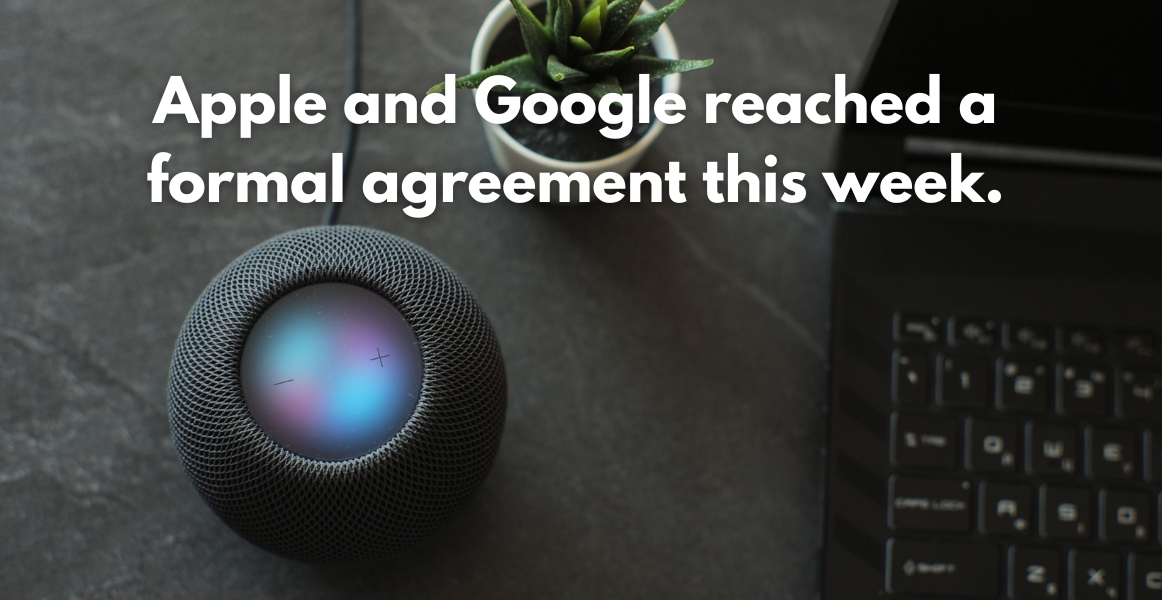
1.1 Strategic Agreement According to multiple reports, Apple and Google have reached a formal agreement that allows Apple to evaluate and test Google's Gemini AI model for integration with Siri. This arrangement signals a remarkable collaboration between traditionally rival companies, highlighting the immense pressure Apple faces to compete in the rapidly evolving AI landscape. The agreement, reportedly finalized in early September 2025, builds upon the existing search partnership that makes Google the default search engine on Apple devices .
1.2 Evaluation Process Apple's decision to partner with Google follows extensive internal testing and evaluation of multiple AI systems. Reports indicate that Apple has been experimenting with its own proprietary models alongside those from Open AI, Anthropic, and Google since at least June 2024. The company appears to have determined that a partnership approach, rather than solely relying on in-house development, represents the most pragmatic path to delivering a competitive AI experience to users in a timely manner .
Technical Integration and Implementation
2.1 Hybrid AI Approach Apple is implementing a sophisticated hybrid approach that strategically distributes processing between different AI systems:
AI Component Handling SystemFunctionalityOn-Device Tasks Apple's Proprietary Models Privacy-sensitive requests and personal data processing Basic Queries Apple's Foundation Models Simple commands and device-specific functions World Knowledge Google Gemini (via PCC)Web-informed questions and complex summarization Planning Function Undecided (Gemini/Claude evaluated)Interpreting user prompts and routing requests
This architecture allows Apple to maintain its privacy standards while incorporating Gemini's advanced capabilities for processing complex, knowledge-intensive queries .
2.2 Privacy and Security Measures A critical aspect of the integration involves running Google's Gemini AI on Apple's Private Compute Cloud servers rather than Google's infrastructure. This arrangement ensures that user data remains protected under Apple's strict privacy and security protocols. The Private Compute Cloud framework, which powers existing Apple intelligence features, is designed to be verifiable and does not store or train on user data. This approach mirrors Apple's existing handling of Siri web searches, which currently uses unique identifiers to dissociate queries from individual users and their devices .
Enhanced Capabilities and Features
3.1 World Knowledge Answers The centerpiece of the upgraded Siri experience will be a new feature internally called "World Knowledge Answers." This system represents a significant departure from Siri's current functionality, which primarily provides lists of web links in response to queries. Instead, the Gemini-powered system will generate AI-driven summaries that incorporate text, images, videos, and location-based information drawn from the web. This functionality aims to position Siri as a conversational research partner capable of competing with specialized AI search tools from companies like OpenAI and Perplexity .
3.2 Contextual Awareness and Multimodal Interactions The upgraded Siri will demonstrate significantly improved contextual understanding and multimodal capabilities. According to reports, the assistant will be able to recognize content on the user's screen and respond accordingly. This could enable users to ask Siri to save addresses, book tickets, or summarize emails based on what's currently displayed on their devices. The integration is also expected to enhance Siri's multilingual capabilities and translation features, addressing long-standing criticisms of the assistant's limited language support
Timeline and Development Context
4.1 Expected Launch ScheduleThe Gemini-powered Siri upgrade is currently targeted for release in early 2026, potentially alongside iOS 26.4. Some reports suggest the new functionality might debut with the iPhone 17 lineup, expected in September 2026, though others indicate a possible earlier rollout in spring 2026. This represents a delay from Apple's original plans, which aimed to deliver an AI-enhanced Siri during the iOS 18 release cycle. The company officially delayed the project earlier in 2025 as it worked to refine the technology and evaluation partnership options .
4.2 Development ChallengesApple's path to enhancing Siri has faced numerous technical challenges and competitive pressures. Reports indicate that the company struggled with the development of its proprietary AI models, while simultaneously facing talent acquisition issues as rivals poached key machine learning experts. These challenges contributed to Apple falling behind competitors in the AI space, ultimately leading to the pragmatic decision to pursue partnerships rather than relying exclusively on in-house development .
Implications and Market Impact
5.1 Financial and Competitive Implications The announced partnership had immediate financial consequences, with Alphabet's (Google's parent company) shares rising 3.7% and Apple gaining 1.6% following reports of the collaboration. Investors view the arrangement as mutually beneficial: Apple gains access to cutting-edge AI technology without excessive R&D investment, while Google expands the reach of its Gemini platform to billions of Apple devices worldwide. This partnership could significantly alter the competitive dynamics in the AI assistant space, potentially enabling Siri to compete more effectively with established leaders like Amazon's Alexa and emerging chatbot technologies .
5.2 Strategic Shift for Apple The decision to potentially integrate Google Gemini represents a significant departure from Apple's traditional emphasis on proprietary technology development. For years, Apple has prioritized in-house AI development, focusing on privacy and security over partnerships with major AI providers. However, the accelerated progress of competitors like Google, Microsoft, and OpenAI in generative AI has apparently prompted a strategic reassessment. This collaboration signals Apple's new willingness to partner with external providers to close feature gaps while maintaining its core privacy principles .
Conclusion: A New Chapter for Siri
The potential integration of Google's Gemini AI into Apple's Siri represents one of the most significant developments in the voice assistant landscape in recent years. This unprecedented collaboration between two tech giants reflects the rapidly evolving dynamics of the AI industry, where even fierce competitors can find common ground in the face of technological disruption.
For Apple users, this partnership promises to finally address long-standing limitations in Siri's capabilities, potentially delivering the conversational, intelligent assistant that has long been promised. For the broader tech industry, it demonstrates how even the largest companies may need to embrace collaboration to remain competitive in the fast-paced AI race.
As Apple and Google work to finalize and implement this integration, all eyes will be on how successfully these two technology giants can combine their strengths while navigating the complex challenges of competition, privacy, and technological integration. If successful, this partnership could mark a defining moment in the evolution of voice assistants and artificial intelligence integration in consumer technology