

-
Services
Challenge We Tackle


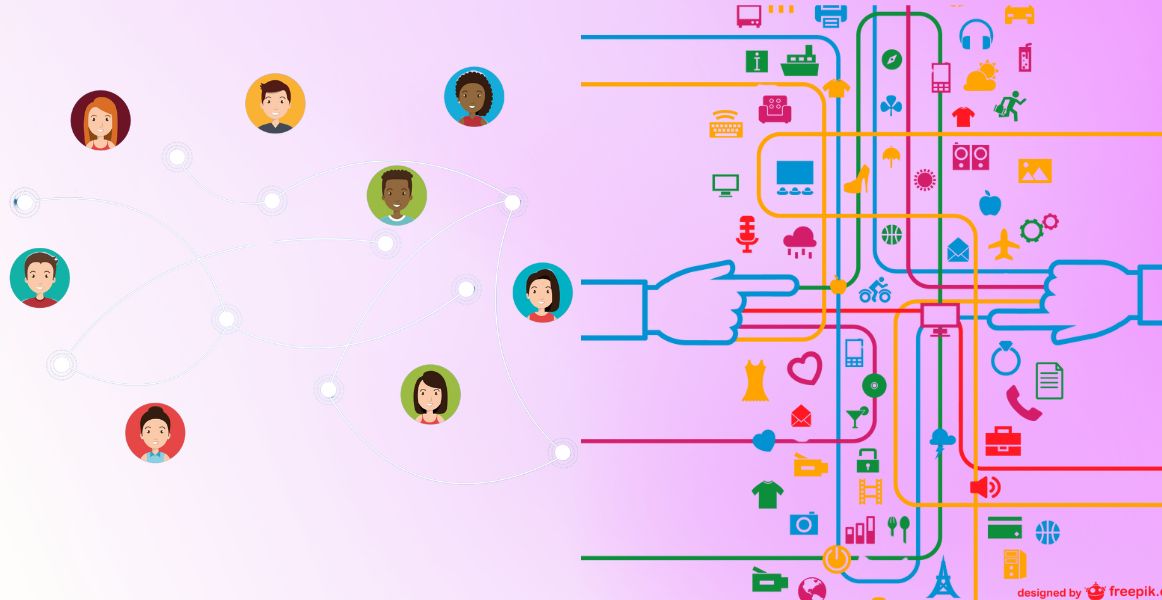
Nestled in Bend, Oregon—where community spirit and independence thrive, the concept of Democratic AI represents a future where technology is shaped not by a few powerful corporations, but by the collective wisdom and collaboration of diverse individuals and institutions.
1. Openness & Transparency
AI code, datasets, and models should be openly available. This transparency allows for community oversight, ethical innovation, and education, transforming AI into a public resource rather than a corporate secret.
2. Decentralized Development
Power should be distributed. Startups, academic institutions, and individual developers must be equally empowered to build AI systems, preventing monopoly and enabling diverse contributions.
2. Decentralized Development
Power should be distributed. Startups, academic institutions, and individual developers must be equally empowered to build AI systems, preventing monopoly and enabling diverse contributions.
3. Participatory Governance
AI policies should be shaped through collaboration among communities, developers, ethicists, and policy-makers. Public involvement ensures that AI development reflects real societal needs.
4. Accessibility & Affordability
By offering affordable tools and open-source models, Democratic AI lowers barriers to entry for underrepresented regions and innovators with limited resources.
5. Data Sovereignty & Privacy
Individuals and communities must control their data. Democratic AI advocates for ethical data use, emphasizing consent, transparency, and user rights.
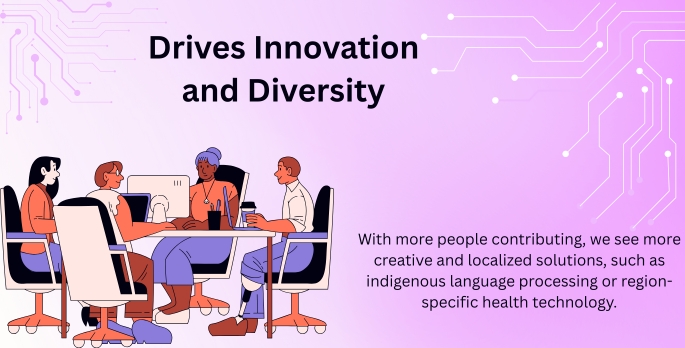
1. Drives Innovation and Diversity
With more people contributing, we see more creative and localized solutions, such as indigenous language processing or region-specific health technology.
2. Builds Trust and Accountability
With more people contributing, we see more creative and localized solutions, such as indigenous language processing or region-specific health technology.
3. Reduces Monopoly Risks
Interoperable, open AI tools prevent dependency on a few tech giants and encourage a competitive, healthy ecosystem.
4. Aligns AI with the Public Good
Democratic AI focuses on equity, justice, and sustainability creating solutions that serve society, not just shareholders.
5. Empowers Communities
People can move from passive tech users to active co-creators, shaping tools that reflect their cultural, economic, or geographic realities.

European Union: The AI Act champions transparency, fairness, and fundamental rights.
Canada’s CIFAR AI Chairs: Support ethical AI research rooted in societal impact.
UK’s Alan Turing Institute: Partners with public bodies to deliver trustworthy AI across healthcare, security, and beyond.
Hugging Face: A model-sharing hub encouraging collaborative AI development.
Decentralized Platforms: Projects like Ocean Protocol and SingularityNET use blockchain to build community-led AI ecosystems free from central control.
Democratic AI is still emerging, like a seed taking root. But with growing global support from governments, research institutions, and open-source communities, the foundations are strong.
The road ahead demands collaboration, transparency, and ethics. Democratic AI envisions a world where technology is shaped by people, for people,equally accessible, responsibly governed, and deeply inclusive.
By championing Democratic AI, we commit to a future where innovation is not limited by profit or power but fueled by shared purpose and community intelligence.