Introduction: From ChatGPT to an AI Ecosystem
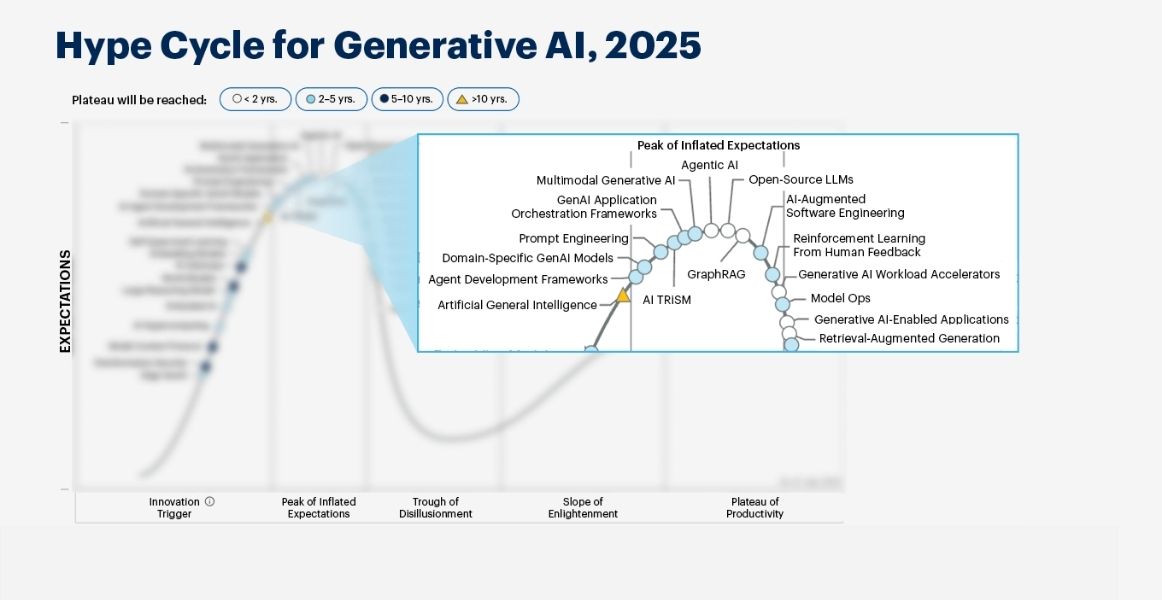
IChatGPT popularized generative AI (GenAI) in 2023, showcasing its ability to create conversational content and assist in productivity. By 2025, the ecosystem has expanded dramatically with specialized tools for design, video, content creation, and coding. Analysts from Gartner and McKinsey note that generative AI is moving from hype to mainstream adoption, transforming how businesses operate across sectors.
The New Wave of Generative AI Tools
a. Design & Creative
Tools like MidJourney, Recraft, and Canva AI empower teams to rapidly prototype visuals, scale branding, and automate creative workflows. By reducing production timelines, these platforms enable agile marketing strategies and faster go-to-market campaigns.
b. Video & Media
Platforms such as Runway, Synthesia, and Google Vids allow creators to generate AI avatars, auto-trim content, and perform smart editing. These tools help businesses cut production costs while delivering highly personalized, accessible, and engaging media experiences.
c. Content & Marketing
Solutions like Jasper, Copy.ai, and Notion AI automate content generation for blogs, social media, and marketing campaigns. They streamline SEO optimization, maintain brand consistency, and allow marketers to deliver targeted messaging efficiently.
d. Coding & Development
Tools including GitHub Copilot, Cursor, and Anysphere support “vibe coding,” where AI can assist developers or autonomously execute tasks. Gartner classifies these as agentic AI, signaling a shift from AI as a helper to AI as an active participant in development workflows.
3. Industry Adoption: Who’s Leading the Charge
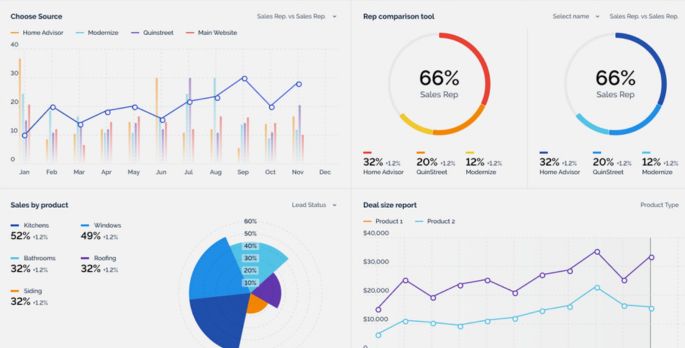
- Retail & eCommerce: AI dashboards and automated content generation improve conversion rates and reduce manual reporting.
- Media & Entertainment: AI-powered video editing, virtual actors, and immersive environments are redefining production pipelines.
- Healthcare: AI assists in reporting, patient data processing, and compliance-friendly documentation.
- Education: Generative AI personalizes content and lesson plans for students.
According to McKinsey, 60% of enterprises are already piloting GenAI solutions in 2025, signaling rapid adoption across industries.
4. Real Stories & Case Studies
- Retail Example: Daily reporting reduced from 3 hours to just 10 minutes using AI dashboards.
- Media & Gaming: TechCrunch highlighted Intangible AI, enabling no-code 3D environments for game and film creators.
- Development Insight: METR study shows AI coding tools accelerate some developers but require adaptation, highlighting real-world adoption challenges.
5. Trends & Challenges for 2025 and Beyond
- Agentic AI: Autonomous AI agents are starting to make independent decisions (Gartner).
- Governance & Trust: Ethical AI use, bias mitigation, and misinformation prevention remain critical.
- Infrastructure Needs: High compute power and clean, structured data are essential for AI efficiency.
- ROI Measurement: Businesses must move beyond hype and quantify AI’s impact on performance and cost savings.
6. The Future Landscape: Tools That Will Reshape Industries
- Multimodal AI: Integrating text, video, image, and audio generation in one platform.
- Prompt-to-Product Tools: Platforms like Figma Make and Canva AI turn prompts directly into usable outputs.
- Industry-Specific AI: Tailored solutions for finance, law, and healthcare are emerging.
- AI as Co-Workers: Designers, coders, and marketers collaborate alongside AI, enhancing productivity and creativity.
7. Best Practices for Businesses
- Pilot → Measure → Scale: Start small, evaluate impact, and expand AI use gradually.
- Choose the Right Tools: Match AI platforms to sector-specific needs.
- Invest in Training: Equip teams with skills to adopt AI effectively.
- Ethical Governance: Establish frameworks for responsible AI usage.
Conclusion: Beyond the Hype
Generative AI in 2025 is more than a trend—it’s a foundational technology for modern industries. By adopting AI wisely, businesses can improve efficiency, enhance creativity, and gain a competitive edge. Those who embrace these tools now will redefine how industries operate and innovate for the future.


.jpg)