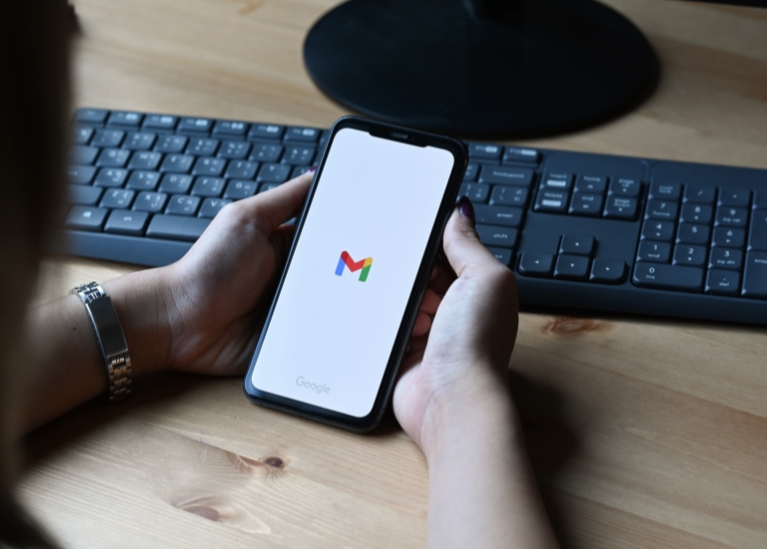
In one of the most significant visual updates to its email service in years, Google has officially begun rolling out the Material 3 Expressive redesign for Gmail on Android devices. This widespread release, which began in late August 2025, represents Google's continued evolution of its design language and brings a more modern, cohesive appearance to the world's most popular email platform serving over 2.5 billion users worldwide.
The redesign places Gmail among the growing list of Google applications receiving the Material 3 Expressive treatment since its announcement at Google I/O in May 2025. The update emphasizes rounded containers, playful animations, and a more personalized user experience that aligns with Google's broader design philosophy across Android and Wear OS platforms.
Visual Transformations and Interface Changes
The most immediately noticeable change in the revamped Gmail application is the container-based layout for message lists. Similar to Google Messages, the homepage and other views (including the Google Chat tab) now present emails within a single container featuring rounded corners at both top and bottom. This approach creates a more structured visual hierarchy compared to the previous design, where each message item appeared in separate containers.
When users open individual emails, the container motif continues with the top section featuring the app bar and subject line. Google has also replaced the old button outlines with a solid filled-in design for a more contemporary look. The Reply and Forward buttons notably leverage Dynamic Color technology to stand out prominently against the bottom bar, creating visual emphasis on important actions.
Enhanced Interactions and Animations
One of the most engaging aspects of the redesign is the introduction of pill-shaped animations for swipe gestures. When archiving, deleting, or marking messages as read/unread, users now experience a distinctive "gooey" animation that provides both visual feedback and a moment of delight during routine email management.
This approach aligns with Google's stated goal for Material 3 Expressive to create interfaces that feel more engaging and "alive" through "naturally, springy animations" 8. The company has emphasized that these physics-based movements are designed to feel more organic and responsive to user interactions.
What's Not Changing (Yet)
Despite these significant visual updates, Google has maintained a consistent functional experience within Gmail. Core functionality remains unchanged, allowing users to continue with their established email workflows without disruption.
Key Changes in Gmail's Material 3 Expressive Redesign
| Feature Area |
Previous Design |
New Material 3 Expressive Design |
| Message List |
Each email displayed in separate containers |
Unified single container with rounded corners |
| Swipe Actions |
Basic, standard animations |
Pill-shaped “gooey” animations with smoother feedback |
| Action Buttons |
Outlined button design |
Solid, filled-in design for clearer emphasis |
| Color Scheme |
Fixed, standard palette |
Dynamic Color integration for personalization |
| Top Search Bar |
Traditional static implementation |
Not yet updated (new search app bar in testing) |
As of this initial widespread rollout, some expected elements of the Material Expressive design language have not yet been implemented. The field at the top of the app has not been converted to a search app bar, though Google has been testing this component in recent weeks 1. Additionally, the Compose screen and homescreen widget have not received updates in this release, suggesting that further refinements are likely in development .
Broader Context of Material 3 Expressive
Gmail's redesign is part of Google's comprehensive rollout of Material 3 Expressive across its ecosystem of applications and platforms. The design language represents an evolution of Material You, which Google introduced with Android 12 nearly four years ago.
The broader initiative extends beyond phone and tablet applications to include Wear OS, where Material 3 Expressive introduces components specifically designed for round displays, edge-hugging buttons, and animations that trace the curvature of watch displays. This coordinated approach ensures a consistent design language across Google's entire product ecosystem.
Other Google applications that have received Material 3 Expressive updates include:
- Google Drive
- Google Wallet
- Google Messages
- Google Keep
- Google Photos
Pixel-specific apps like Recorder, Weather, and Buds
User Response and Availability
Early reactions to the redesign have been generally positive, with technology commentators praising the modernized interface and smooth animations. Some users have noted that the changes appear subtle at first glance but contribute to a more cohesive and polished overall experience.
However, not all responses have been overwhelmingly enthusiastic. Some users, like commenter Timo Majoor, have expressed that the changes feel "a bit underwhelming" compared to expectations set by Google's initial presentation of Material 3 Expressive, noting that "some of these changes are so small I really have to squint to see any change at all".
The update requires version 2025.08.11.x of Gmail for Android and is being delivered through a gradual rollout. Users who haven't received the update immediately may need to wait for it to become available in their region or through their device's specific update schedule.
Looking Ahead
While this initial rollout focuses primarily on visual enhancements, Google appears to be preparing additional functional updates for Gmail. References to a redesigned search bar found in earlier tests suggest that further interface refinements are likely in development.
The redesign also comes alongside Google's ongoing efforts to enhance email security through advanced AI models designed to combat spam, phishing, and malware more effectively. The company has developed new LLM (Large Language Model) technology trained specifically on identifying malicious content, which reportedly blocks 20% more spam than previous systems.
As Google continues to refine and expand its Material 3 Expressive design language, users can expect additional applications to receive similar visual updates in the coming months, creating a more unified and personalized experience across the Android ecosystem.
For now, Gmail users can enjoy a fresher, more modern email interface that maintains the application's renowned functionality while embracing Google's latest design philosophy—proving that even essential productivity tools can benefit from thoughtful aesthetic enhancements.