Government Directive Triggers Social Media Ban Across 26 Platforms
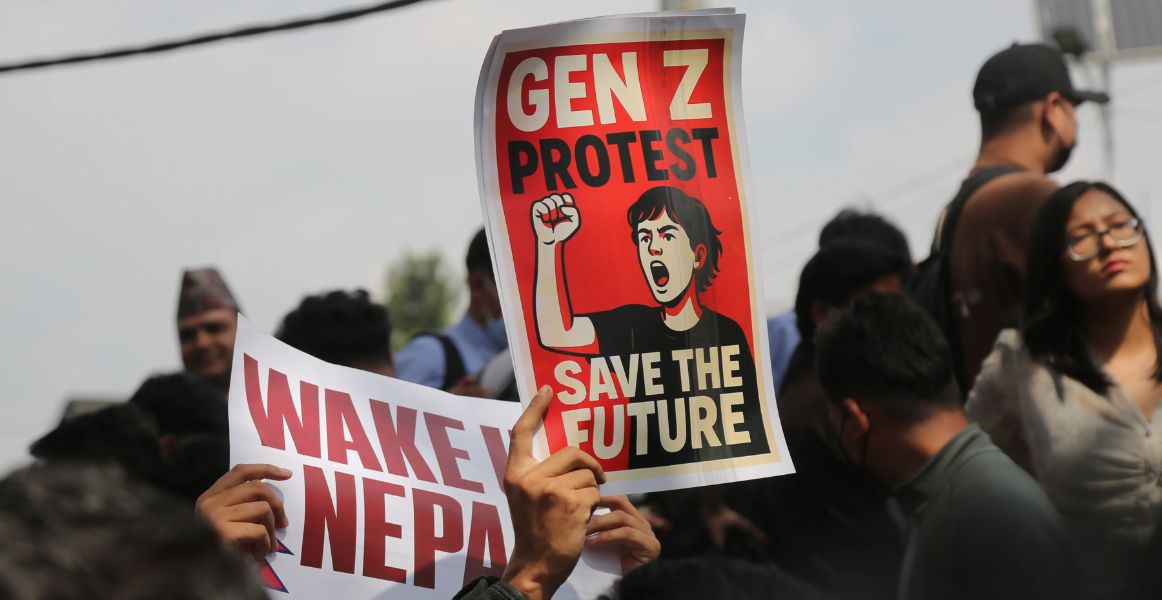
Nepal has reversed its recent social media ban after widespread “Gen Z” protests erupted nationwide, leaving at least 19 people dead and more than 100 injured.
The ban, imposed last week, blocked access to 26 platforms including Facebook, Instagram, YouTube, and X. It followed an August 25 directive requiring foreign social media companies to register their operations in Nepal and appoint a local representative within seven days. When most platforms failed to meet the deadline, the government restricted access.
Protests and Government Response
On Monday, Communications and Information Technology Minister Prithvi Subba Gurung confirmed the government’s decision to lift the ban in response to mounting public outrage. The announcement came just hours after thousands of demonstrators, many of them students in school uniforms, marched through the streets demanding an end to the blackout. Clashes with security forces turned violent in several areas, leaving at least 19 protesters dead and over 100 others injured, according to local media reports.
Prime Minister KP Sharma Oli said the unrest had been fueled by “infiltration by certain elements,” but emphasized that the government was not opposed to the aspirations of the younger generation.
The restrictions had drawn criticism from international organizations, including the United Nations and Amnesty International, which urged Nepal to safeguard freedom of expression and the right to peaceful assembly.
Broader Push to Regulate Digital Platforms
Some platforms, such as TikTok and Rakuten-owned Viber, were unaffected as they had already complied with the registration directive.
The episode highlights the government’s broader efforts to regulate digital platforms. Earlier this year, Nepal introduced a proposed social media bill, still pending approval, that includes provisions for imprisonment and fines for content deemed harmful to “national sovereignty or interest.” The International Federation of Journalists has warned that the bill could severely undermine press freedom and digital expression.